
Nothing up the sleeve
What sits behind each first-try suggestion on this site
Every suggestion here begins with material anyone can open: the dish names on a menu, the descriptions printed under them, and the plain public context a kitchen puts around its own food. There is no scoring model behind that, no private tasting, no quiet visit, and no slot on this site that a venue can pay for.
The bar a dish has to clear is narrow on purpose. A first try is something a curious diner could order on a first or early visit without knowing the cuisine, without a friend at the table translating the card, and without asking a busy kitchen to explain half a section before deciding.
So a plate that only makes sense once you already know the menu, or one that needs the right group, the right season and the right hour to land, usually stays off. Not because it is a lesser dish. Because it is a poor place to begin, and beginning is the only job this site has.
Called a first try, never crowned
When a plate is described here as a good first try, that is a reading rather than an award. It means the card gives away enough for the order to feel deliberate instead of brave. It ranks nothing, it beats nobody, and the kitchen down the road that never appears has not lost anything.
What earns the line
What this site looks for on a menu before calling something a first try
Four things tend to be true of a dish that reads like a smart first try on paper. None of them measures how well a kitchen cooks. All of them measure how much the card is willing to tell a stranger.
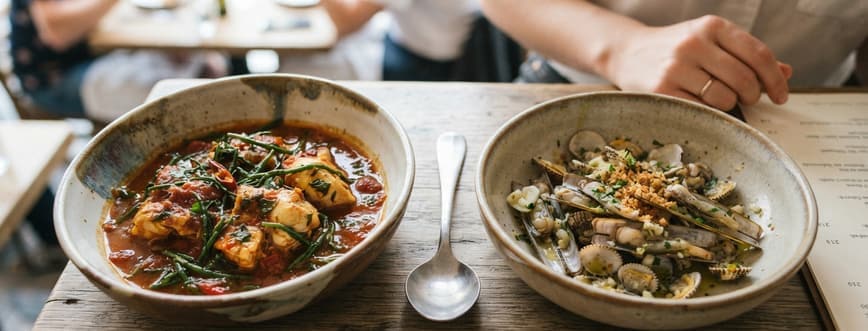
- Wording you can picture A line that names what is in the dish and how it meets the heat lets you build the plate in your head before it arrives. A bare name asks you to guess, and guessing is exactly what sends people back to the order they already know.
- One flavour or texture you can taste in advance Sour, smoked, crisp at the edge, soft under it. A single concrete cue in a description carries further than any adjective about quality, because it tells you what the plate will do in your mouth rather than how proud the kitchen is of it.
- A price that fits an experiment First tries work when being wrong stays cheap. A dish priced like a side you could abandon halfway is a far easier yes than one priced like the reason the table booked, and cheap experiments are the ones people repeat.
- A sign the dish belongs to the house A plate sitting in the body of the menu, inside a section the kitchen has bothered to name and describe, reads as something cooked every service. A one-off scrawled at the foot of the card is a different kind of bet.
When one word on the line does the work
Sometimes the whole reason to order a dish is the one word in it nobody at the table can define: a cut, a ferment, a way of cooking over fire none of you have met before. That word is often the best thing on the card and it is welcome here. The rest of the line still has to make sense to a newcomer, though, or the dish stops being a first try and turns into a dare.
Read on paper, cooked in a kitchen
And all of this happens by reading. Nobody here has eaten the plate on the day you will order it, and only the kitchen knows how it came out of the pan this week. Treat what is written on this site as a careful read of a menu, and treat the people cooking as the last word on the food itself.
Where we hand over
What a first-try nudge can promise and where you must take over
Menus get rewritten, prices move, and a dish can vanish from one week to the next while this site carries on quoting it. The live menu and the venue's own information are the only versions that count at the moment you order, so open them and check before you commit to anything you read on this page.
There is a whole layer here that reading cannot reach. Allergies and intolerances, what gets fried in which oil, whether the door has a step in front of it, how loud the room turns at its busiest, whether anyone on shift can point at a dish and say what is in it. When those things decide your evening, ask the venue directly and let the answer outrank every line written here.
A first try is also an editorial judgment about a piece of text, nothing more. It says this dish looks promising on the card. It cannot promise the taste, the size of the portion, the wait between ordering and eating, or the evening you have around it.
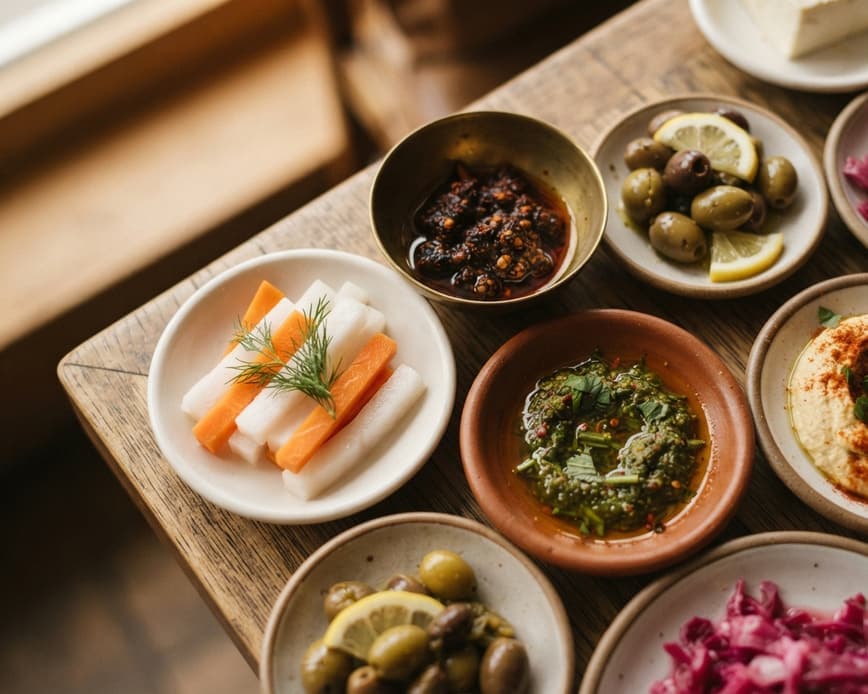
Use these suggestions the way you would use a friend who read the menu before you got there: as a strong place to start asking your own questions, not as instructions to follow. You still choose the room and you still choose the plate, and ignoring every word of this to order the thing that caught your eye is a perfectly good outcome.
Tell us it slipped
When a first-try choice needs correcting or sharpening
If a dish suggested here feels wrong, has quietly left the card, or no longer arrives the way its description implies, say so. That invitation runs both ways: to diners who ordered it and to the people who cooked it, and one specific line is enough.
The messages worth sending are small and exact. Name the venue, name the dish, and say what has moved:
- The plate is still cooked but under another name, and this site is pointing at the old one.
- It has come off the card altogether, or belongs to a season that has since passed.
- A better opening order now sits a few lines further down, and you can say what makes it the easier one to start with.
Any of those beats a general note that a page feels out of date, because each one can be checked against the live menu in a minute and put right on the next pass through the site.
Bookings, bills and service go to the venue
Anything that happened in the room belongs with the people who run it: a booking that vanished, a total that did not add up, food that never reached the table, or how you were spoken to while you waited. This site takes no part in any of that and cannot pass a message along, so those go straight to the venue.
Corrections change how the next round of suggestions gets written. They tighten the wording, they retire a pick that has stopped being true, and now and then they hand over a better first try than the one already sitting there. That is the whole reason for wanting to hear about it.